
Arrays and linked lists are both fundamental data structures used to store collections of elements, but they differ significantly in their implementation, performance characteristics, and use cases. Here’s a comparison (Array vs Linked list):
Memory Use:
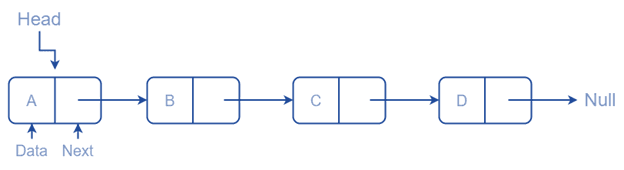
Arrays keep all elements together in one block and need a fixed size. Linked lists can store elements in different places and can grow or shrink as needed.
Access Speed:
Arrays are fast to access any item directly using its index (O(1)). Linked lists are slower (O(n)) because you have to move from the start to reach the item.
Add/Delete Items:
Arrays are fast to add or remove at the end but slow in the middle or beginning. Linked lists are fast to add or remove at the beginning or if you know where, but slow if you need to find the place first.
Memory Overhead:
Arrays only store the data. Linked lists use extra memory because each item also stores a pointer to the next (and maybe previous) item.
Speed with CPU Cache:
Arrays work better with the CPU cache, so they are faster when reading in order. Linked lists are slower because their items are spread out in memory.
Flexibility:
Arrays have a fixed size (unless resized, which takes time). Linked lists can easily grow or shrink.
Complexity:
Arrays are easy to use and code. Linked lists are harder because you need to manage pointers, which can lead to bugs.
Diagram of storing data in array:
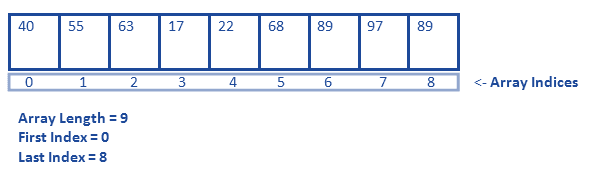
Diagram of storing data in Linked-list:
অ্যারে এবং লিংকড লিস্ট উভয়ই গুরুত্বপূর্ণ ডেটা স্ট্রাকচার, যা একাধিক উপাদান (elements) সংরক্ষণের জন্য ব্যবহৃত হয়। তবে, এগুলোর বাস্তবায়ন পদ্ধতি, কাজের গতি এবং ব্যবহারের ক্ষেত্রে গুরুত্বপূর্ণ পার্থক্য রয়েছে। নিচে একটি তুলনামূলক বিশ্লেষণ দেওয়া হলো:
মেমোরি ব্যবহার: অ্যারে ধারাবাহিক (contiguous) মেমোরিতে ডেটা সংরক্ষণ করে এবং এরে সাইজ আগে থেকে ঠিক করতে হয়। লিংকড লিস্টে ডেটা আলাদা আলাদা জায়গায় store থাকে এবং size সহজে বড় বা ছোট করা যায়।
অ্যাক্সেসের গতি: অ্যারেতে নির্দিষ্ট ইনডেক্স ব্যবহার করে খুব দ্রুত (O(1)) ডেটা পাওয়া যায়। লিংকড লিস্টে শুরু থেকে একে একে যেতে হয়, তাই ধীরগতি (O(n))।
ডেটা insert/delete : অ্যারেতে শেষে ডেটা insert বা delete দ্রুত (O(1)) হয়, কিন্তু মাঝখানে বা শুরুতে করলে ধীর (O(n))। লিংকড লিস্টে শুরুতে বা নির্দিষ্ট জায়গায় দ্রুত (O(1)) insert/delete করা যায়, তবে জায়গা খুঁজে পেতে সময় লাগে (O(n))।
মেমোরি অতিরিক্ত খরচ: অ্যারেতে শুধু ডেটা রাখা হয়, কোনো অতিরিক্ত মেমোরি লাগে না। লিংকড লিস্টে প্রতিটি আইটেমের(element) এর সাথে পয়েন্টারও রাখতে হয়, তাই বেশি মেমোরি লাগে।
ক্যাশ পারফরম্যান্স: অ্যারে ধারাবাহিকভাবে মেমোরিতে থাকে বলে CPU ক্যাশে ভালো কাজ করে এবং দ্রুত পড়া যায়। লিংকড লিস্টে ডেটা ছড়ানো থাকে, তাই ধীরগতি হয়।
(Flexibility): অ্যারে ফিক্সড সাইজের, বড় করতে চাইলে নতুনভাবে তৈরি করতে হয়। লিংকড লিস্ট সহজে বড় বা ছোট করা যায়।
ইমপ্লিমেন্ট করার জটিলতা: অ্যারে সহজে ব্যবহার ও কোড করা যায়। লিংকড লিস্টে পয়েন্টার ম্যানেজ করতে হয় যা কিছুটা কঠিন ।
Diagram of storing data in array:
Diagram of storing data in Linked-list: